Auto Insurance: The Coverage You Hope You Never Need, and Then Suddenly Do
Auto insurance is one of those grown-up purchases that feels boring until the day it matters. Here’s a plain-English guide to the main coverages, how shopping works, and the questions worth asking before you buy or renew.
Auto insurance is a contract. You pay a premium, and the insurer agrees to help pay covered losses under the policy terms. In most states, drivers need at least liability insurance to drive legally, though New Hampshire is the notable exception. The basic idea is simple enough; the details, as usual, are where the socks go missing. (iii.org)
What liability coverage does:
Liability coverage helps pay for injuries or property damage you cause to other people in a crash. That matters because a bad accident can create costs far beyond a fender-bender and, in serious cases, lawsuits. States set minimum required amounts, but the minimum is not the same thing as “comfortable” or “enough for every situation.” Many consumers discuss higher limits with a licensed professional because the state floor may not reflect their household’s risk. (iii.org)
What covers your own car:
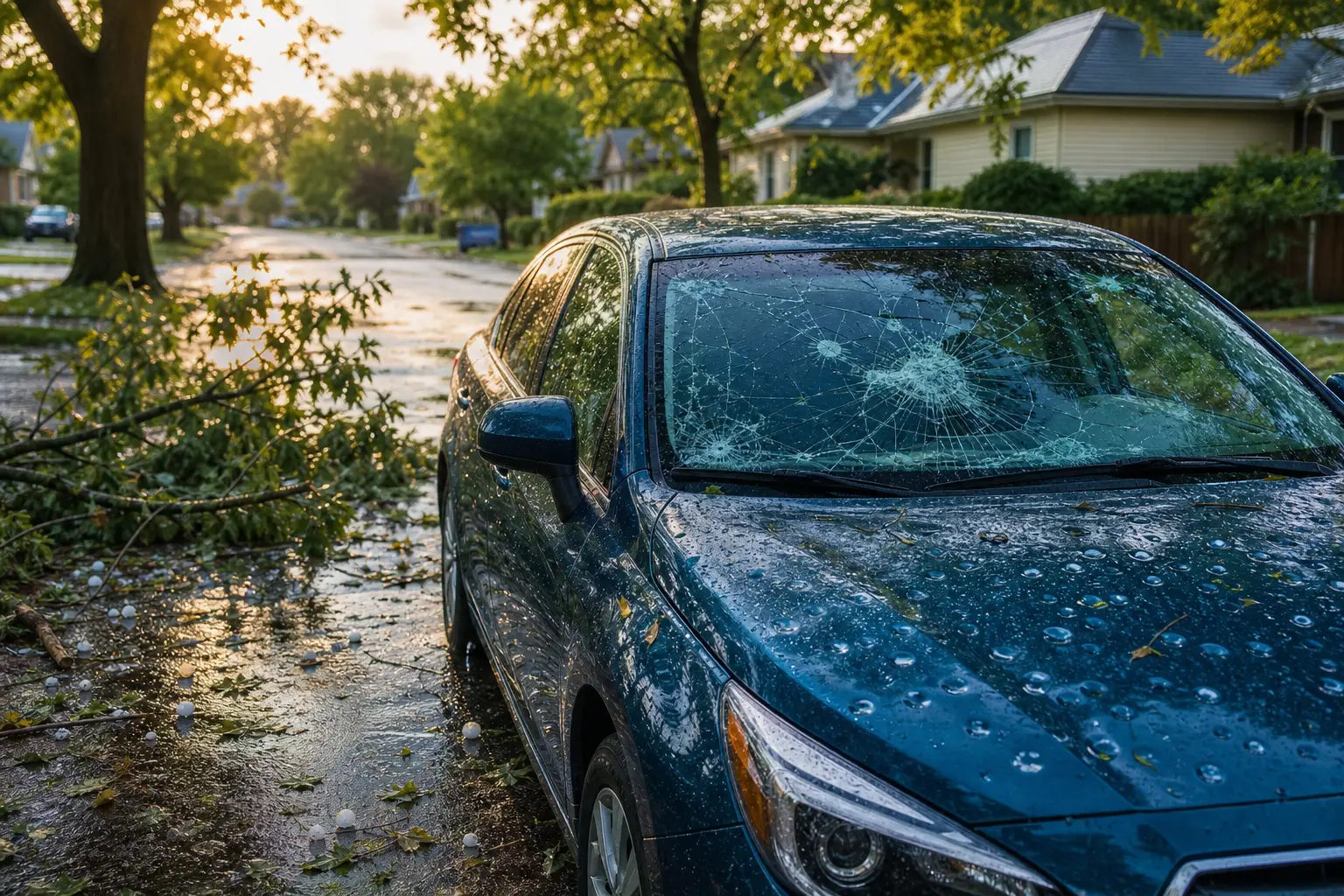
Collision coverage helps pay to repair or replace your vehicle after a crash with another vehicle or object, or after a rollover, minus the deductible. Comprehensive coverage helps pay for losses from things other than collision, such as theft, fire, hail, vandalism, flood, falling objects, animal contact, and broken glass in many policies. These coverages are usually optional, though a lender may require them while a car loan is outstanding. (iii.org)
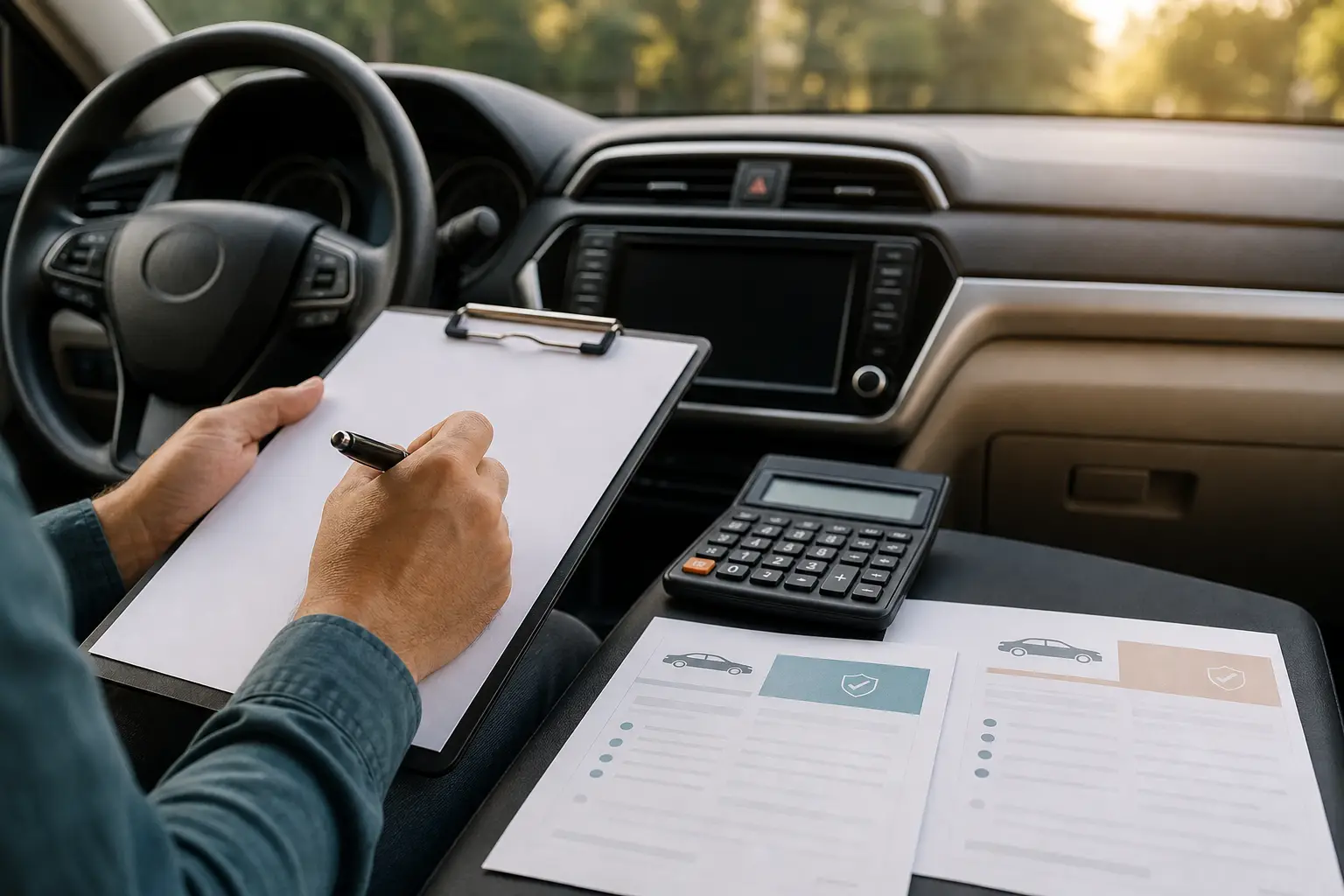
Comprehensive coverage can help with damage from events beyond a collision.Compare quotes using the same limits and deductibles for a fair review.The right coverage depends on your car, budget, and risk exposure.
Important note: Auto insurance policies vary by state, insurer, and endorsement. Definitions, exclusions, limits, deductibles, and claims handling can differ in ways that matter. Before buying or renewing, verify the current policy language, state requirements, and any lender rules with a licensed insurance professional and the insurer’s official materials. (content.naic.org)
KEEP EXPLORING
Helpful resources
Published materials that support and add context to this article.